
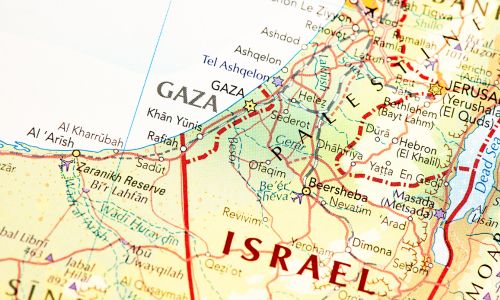
The intricate tapestry of the Israeli-Palestinian conflict, particularly the flashpoint of Gaza, often draws fervent interest, and naturally, many turn to scripture for elucidation. But, delving into the Bible to understand modern geopolitical entities requires careful hermeneutics. Instead of seeking simplistic, point-and-click answers, we must consider the historical context, literary genres, and overarching themes woven throughout the Old and New Testaments. What does the Bible *actually* say that is pertinent to understanding the enduring tension between Israel and Gaza?
I. The Genesis of the Land: Divine Promise and its Complexities
The narrative cornerstone lies in Genesis, with God’s covenant with Abraham. This covenant encompasses promises of posterity and land, a pivotal element often cited in discussions about Israel’s claim to the region. The promise, however, is multifaceted. It’s not merely a real estate transaction, but rather a conditional covenant predicated on obedience and faithfulness. The Old Testament chronicles Israel’s history as a cycle of blessing, disobedience, judgment, and repentance, consistently demonstrating that possession of the land was contingent upon their adherence to God’s Law. Let’s break this down:
- The Abrahamic Covenant: Genesis 12, 15, and 17 detail the initial promise. Consider the phrase “land I will show you” – an act of divine selection.
- Conditional Inheritance: Deuteronomy 28 and Leviticus 26 articulate blessings for obedience and curses for disobedience. This is not a carte blanche entitlement.
- Historical Dispossession: The Babylonian exile and subsequent Roman occupation highlight the consequence of covenantal infidelity. These events underscore that the land was not an unconditional, irrevocable gift.
II. Gaza in the Biblical Narrative: A Philistine Stronghold
Gaza’s prominence in the biblical record stems from its status as a major Philistine city. The Philistines were perennial antagonists of the Israelites, and Gaza figures prominently in stories of conflict and territorial disputes. Samson’s tragic demise in Gaza, as recounted in Judges 16, stands as a stark example of this protracted struggle. Note the specific implications:
- Samson’s Narrative: This story illustrates the tension between Israel and Philistia, portraying Gaza as a symbol of opposition.
- Philistine Identity: Understanding the Philistines as a distinct cultural and ethnic group is crucial. Equating them directly with modern Palestinians is a historical oversimplification.
- Geopolitical Significance: Gaza’s strategic location on the Mediterranean coast made it a valuable prize, contributing to the ongoing conflict.
III. Prophetic Voices: Justice, Judgment, and Restoration
The prophetic books of the Old Testament address themes of justice, judgment, and eventual restoration, often in the context of Israel’s relationship with surrounding nations. Prophets like Isaiah, Jeremiah, and Amos frequently condemned Israel’s social injustices and warned of impending judgment. These pronouncements also included promises of future restoration, not just for Israel, but for all nations. This perspective should be carefully examined:
- Universal Justice: The prophets consistently championed the cause of the marginalized and oppressed, regardless of their nationality.
- Judgment on All Nations: Prophecies of judgment were not limited to Israel; they extended to all nations that defied God’s moral standards.
- Restoration of All Things: The prophets envisioned a future where all nations would worship God and live in peace. This transcends narrow nationalistic interpretations.
IV. The New Testament Perspective: A Kingdom Not of This World
The New Testament introduces a paradigm shift, focusing on the spiritual kingdom of God rather than earthly dominion. Jesus’ teachings emphasize love, forgiveness, and reconciliation, challenging conventional notions of power and authority. The early church, composed of both Jews and Gentiles, transcended ethnic and national boundaries. This is of specific relevance when interpreting the modern situation:
- Jesus’ Teachings on Love: “Love your enemies” (Matthew 5:44) challenges the cycle of violence and retaliation.
- The Kingdom of God: This is a spiritual reality, not a political entity. It transcends earthly boundaries and national allegiances.
- Inclusion of Gentiles: The early church welcomed people from all nations, breaking down barriers of ethnicity and culture.
V. Applying Biblical Principles to the Contemporary Conflict: A Call for Discernment
Drawing direct, simplistic parallels between biblical narratives and the modern Israeli-Palestinian conflict is fraught with peril. The Bible does not provide easy answers or endorse specific political agendas. However, its overarching themes of justice, compassion, and reconciliation offer valuable guidance. Instead of cherry-picking verses to support pre-conceived notions, consider the following:
- The Imperative of Justice: Seek justice for all parties involved, acknowledging the suffering and legitimate grievances on both sides.
- The Call to Compassion: Show empathy and compassion towards both Israelis and Palestinians, recognizing their shared humanity.
- The Pursuit of Reconciliation: Promote dialogue and reconciliation, working towards a just and lasting peace.
Ultimately, interpreting the Bible in relation to Israel and Gaza requires intellectual honesty, historical awareness, and a commitment to the ethical principles of the biblical text. It demands moving beyond facile interpretations towards a nuanced understanding of God’s enduring concern for justice, peace, and the well-being of all people.







Leave a Comment